

Plant Lust
Design
https://www.figma.com/design/fpeuIFgi9MOho5FpPuDOcoIT/plantlust.com?m=auto&t=hH00nE0jfK6oqtwI-6
Overview
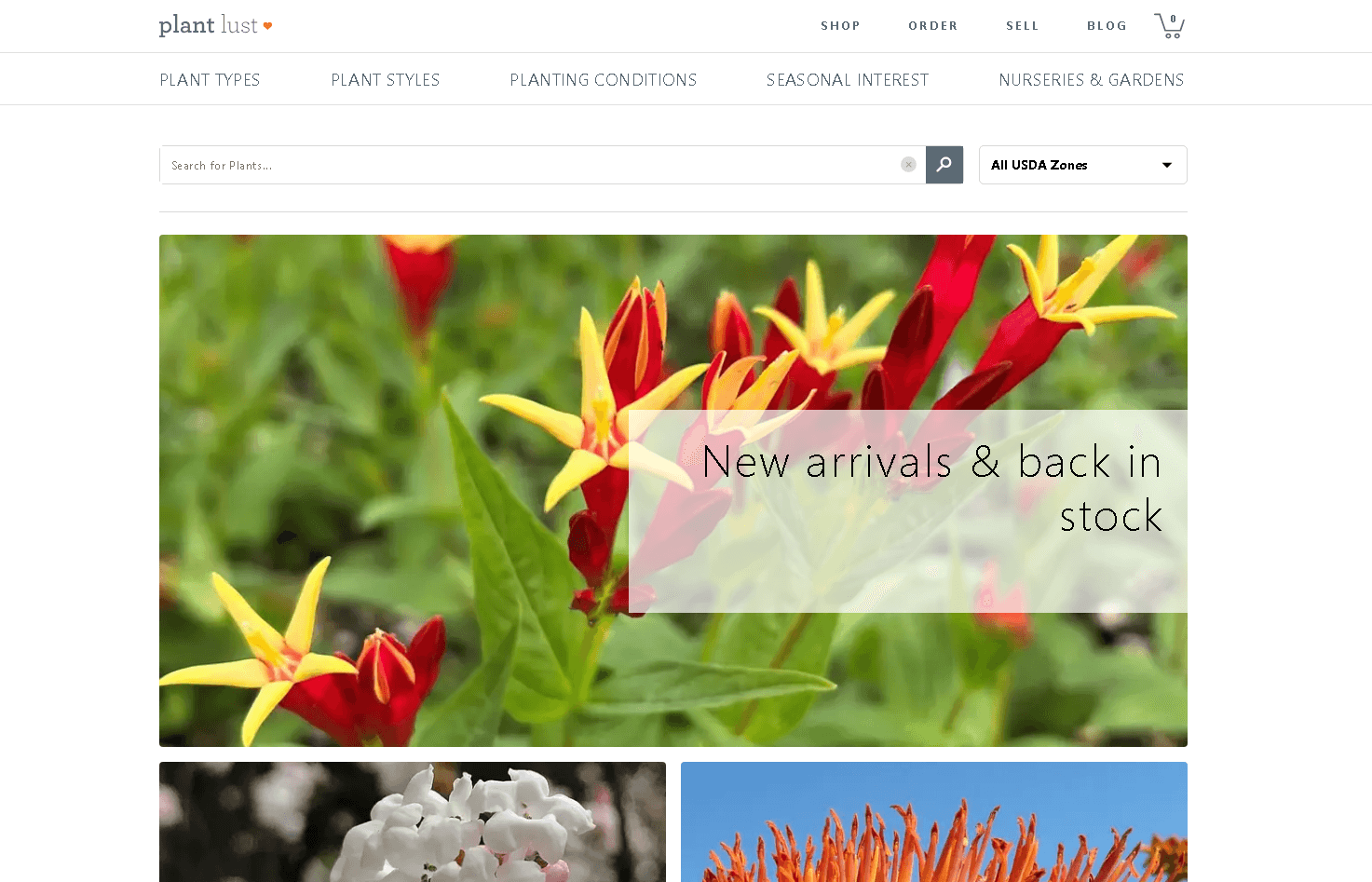
Plantlust is an online platform built to streamline plant discovery—with a clean, intuitive interface that lets users browse, search, and explore plants (and likely plant products / accessories) in a minimal, visually-pleasing way. The site combines Shopify’s eCommerce infrastructure with a React frontend layer to deliver both catalog browsing and product purchasing, making plant shopping simple and delightful.
Technologies
- React
- Shopify
- JavaScript
- Storefront API
Features
- Clean, minimalist browse interface that puts plant visuals front and center.
- Search and filtering to help users find plants (by type, light needs, size, etc.) quickly.
- Product detail pages showing plant images, descriptions, care information, pricing.
- Shopping cart / purchase workflow via Shopify.
- Mobile responsive design (works well on small screens).
- Possibly image-heavy galleries, high quality visuals to showcase plants.
Development
- Built a React frontend that connects to Shopify’s backend (via Storefront API) to render product listings, filter/search, and detail views.
- Integrated Shopify shopping/cart/payment flows, allowing users to add products to cart and check out securely.
- Designed responsive UI with attention to imagery-optimizing for speed and visual quality.
- Structured components for reusability (product cards, filter panel, search bar, etc.) to maintain consistency across the site.
- Handled asset loading (images) to optimize performance (lazy-loading, caching) to keep the browsing experience smooth.
Challenges
- Synchronizing data between Shopify’s backend and React’s frontend: ensuring up-to-date inventory, prices, variants, etc., without introducing delay or inconsistencies.
- Scaling search/filter functionality in React: filtering large product sets on the client, or managing search queries to Shopify accurately to reduce network overhead.
- Performance for image-rich content: plants are graphic-heavy; ensuring load times are acceptable especially on mobile/devices with slower connections.
- Balancing design aesthetics vs usability: making sure minimalism does not reduce clarity (care information, shipping, returns, etc.).
- Checkout and cart UX: aligning React components with Shopify’s system without breaking flow, given that some parts of checkout might be handled by Shopify’s hosted pages or APIs.
Conclusion
Plantlust demonstrates a strong integration of design, eCommerce functionality, and user experience. By combining React as the interactive frontend with Shopify as the reliable commerce backend, the project delivers a clean, fast, and visually appealing platform for plant lovers to discover and purchase. The effort to overcome challenges around search filtering, data consistency, and performance highlights skills in component architecture, API integration, and front-end optimization. Overall, Plantlust is a compelling example of crafting a product-first UI and engineering backend reliability in the same package.